

News & Insights
Photo courtesy of: Greg Land
Colleges and universities are making progress on reducing emissions in Scopes 1 and 2 – but gaining access to quality data to understand Scope 3 emissions impacts is critical if a campus is committed to decarbonization. In today’s column of Ask the Expert, Jillian Buckholz, one of B&D’s sustainability leaders with more than two decades of experience in higher education, breaks down how to think about Scope 3 and drive meaningful progress in emissions reductions.
B&D: What are Scope 3 emissions in higher education and why do they matter?
Jillian Buckholz: Scope 1 is what you burn or emit on site. Scope 2 is what is burned off site to make the energy you use. Scope 3 is everything else. There are 15 categories within Scope 3, but one of the biggest emerging areas of interest is emissions tied to purchased goods and services—essentially, everything you buy, and the emissions associated with producing and delivering it.
B&D: How should colleges and universities approach Scope 3 emissions in a decarbonization strategy?
JB: You can’t reduce what you don’t have an accurate inventory of. Collect the emissions data you can for Scopes 1, 2, and 3 and build a baseline. Scope 1 and 2 are typically where you have the most control and influence – Scope 3, however, is tied to behavior and external partners, which makes it more complex to influence directly. The key to reducing Scope 3 is focus—deciding what matters most, where you have data, and where you have champions who can help move the work forward.
B&D: Why are Scope 3 emissions a major opportunity for student engagement and campus sustainability initiatives?
JB: Scope 3 emissions are visible. They’re things people can see and touch—transportation, food, waste. That makes them a powerful tool for engagement. Programs like transit incentives, EV infrastructure, or waste reduction campaigns are highly visible and help reinforce sustainability goals. They also create opportunities to educate students, faculty, and staff about how their everyday decisions connect to larger climate impacts.
Q: Where should institutions start with Scope 3 emissions reduction efforts?
JB: Start with what you have. Identify your biggest opportunities, improve your data where you can, and find champions across your institution. You don’t need perfect data to begin making progress.
Thank you again to Jillian for her participation in Ask the Expert. If you have a topic you’d like one of our experts to cover in a future column, submit them here.
Overview of GHG Protocol scopes and emissions across the value chain
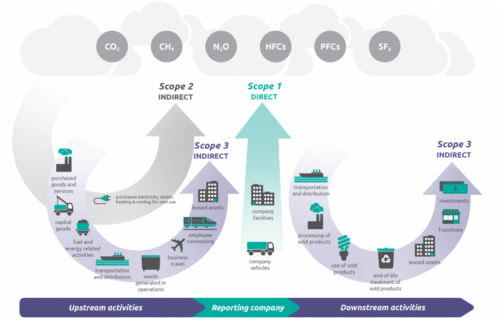
Source: United States Environmental Protection Agency


